
Concrete Patios
Backyard patios in poured concrete, stamped concrete, or pavers — built to handle Pennsylvania winters.
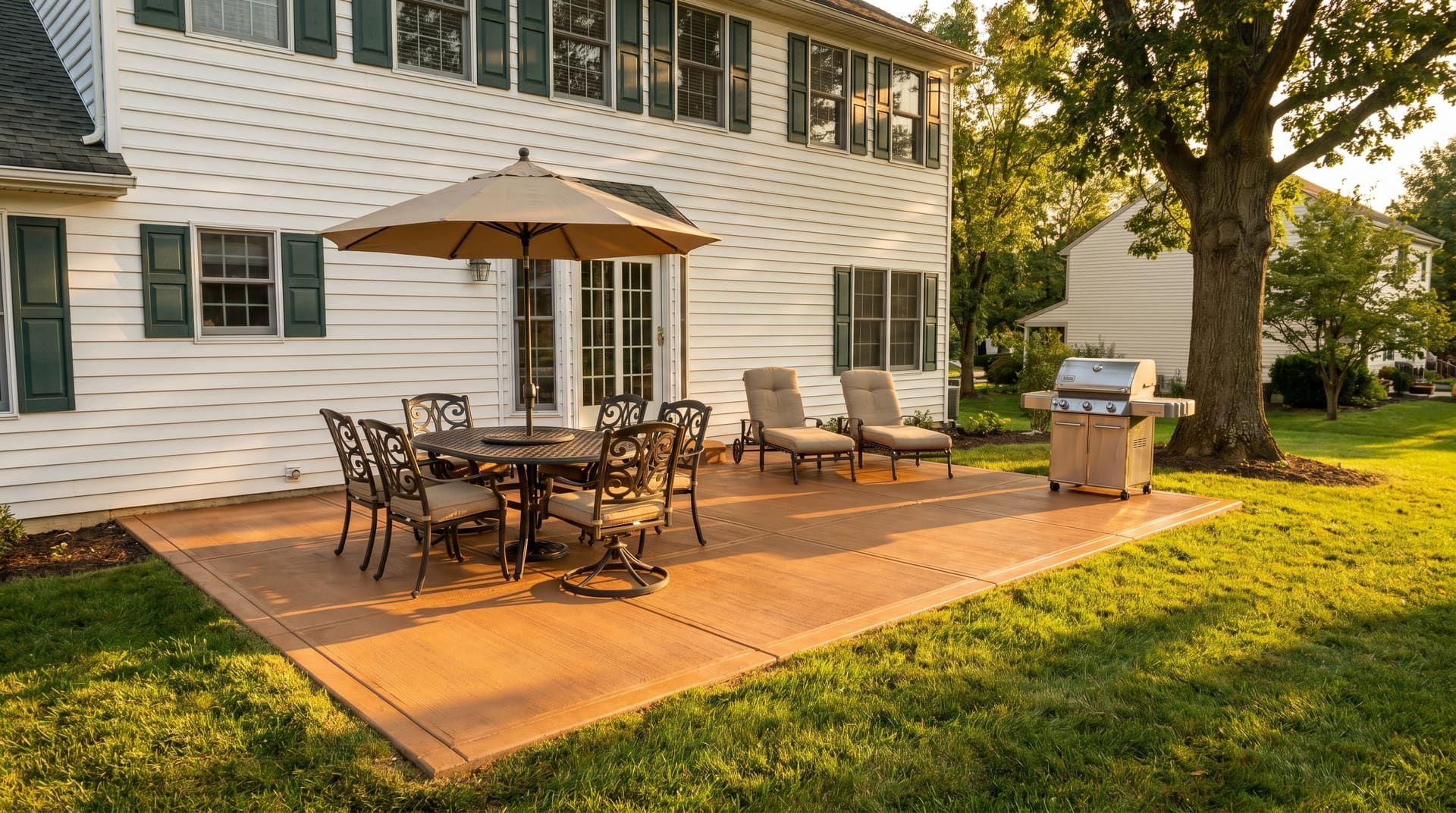
[ Recent project / Concrete Patios ]
Lower Montco, PA
[ Why It Matters ]
Most patio failures look bad three or four winters in: flaky surface, hairline cracks branching across the slab, the corner that's settled an inch and shed water back toward the house. Almost all of it goes back to what's underneath — not enough stone base, the wrong concrete mix for our winters, or no planned crack-control lines. Get those right and a patio quietly does its job for thirty years.
[ Recent work / Two from the file ]
A different home. The same approach.
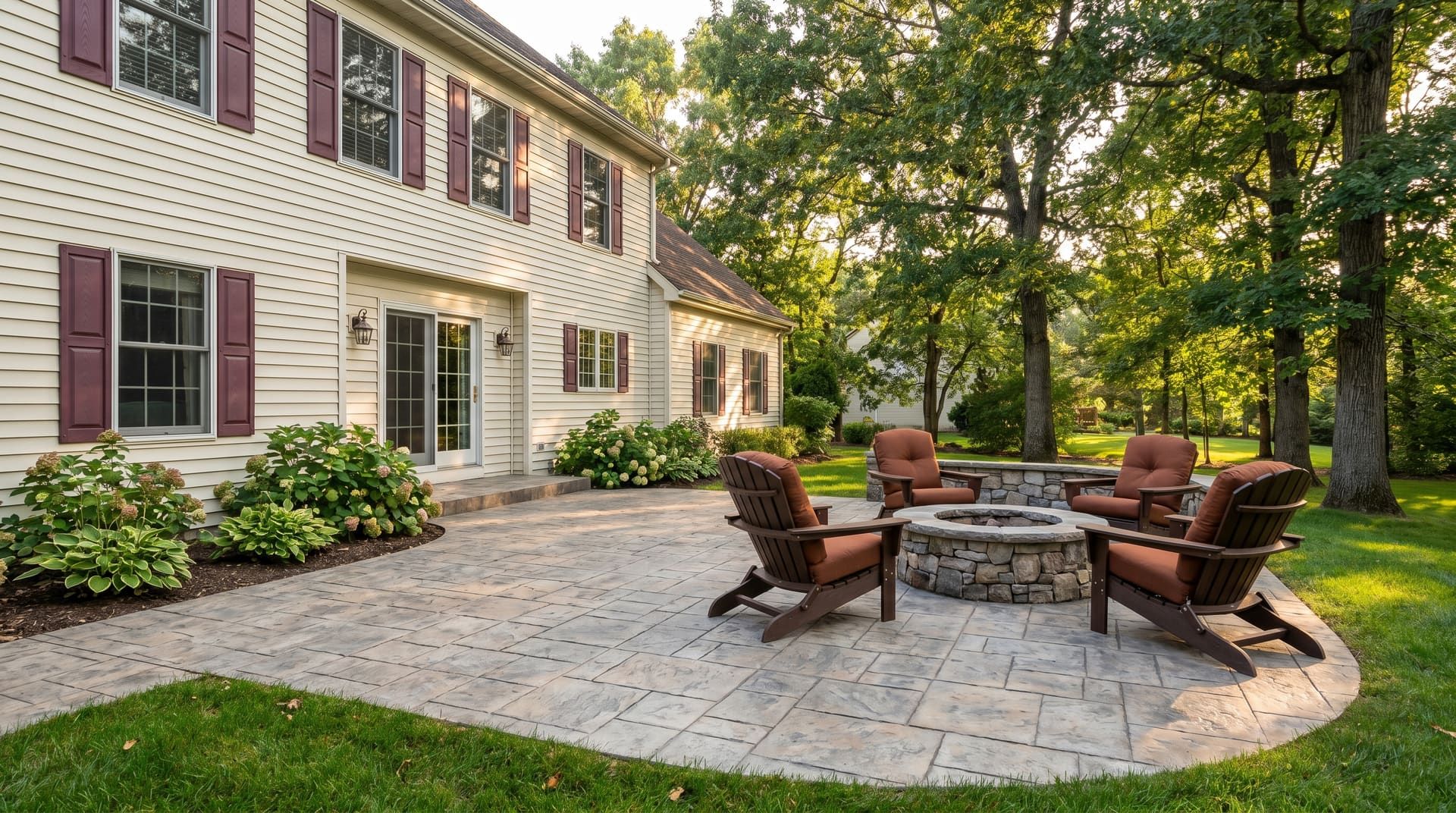
P.01 · Recent project
Concrete
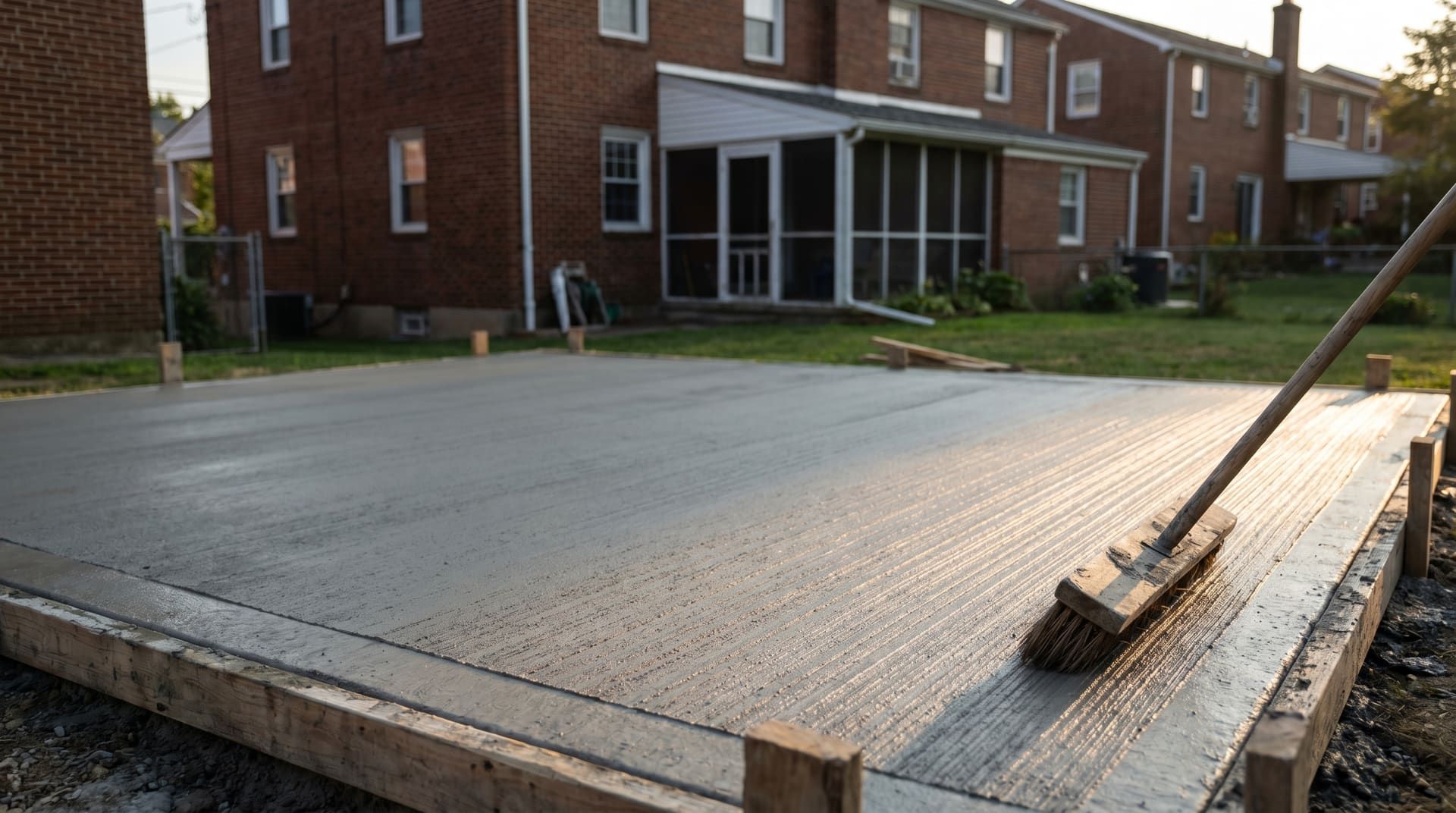
P.02 · Craft detail
Concrete
[ Mid-pour · Layered Build-up ]
Build-up · Concrete Patios.
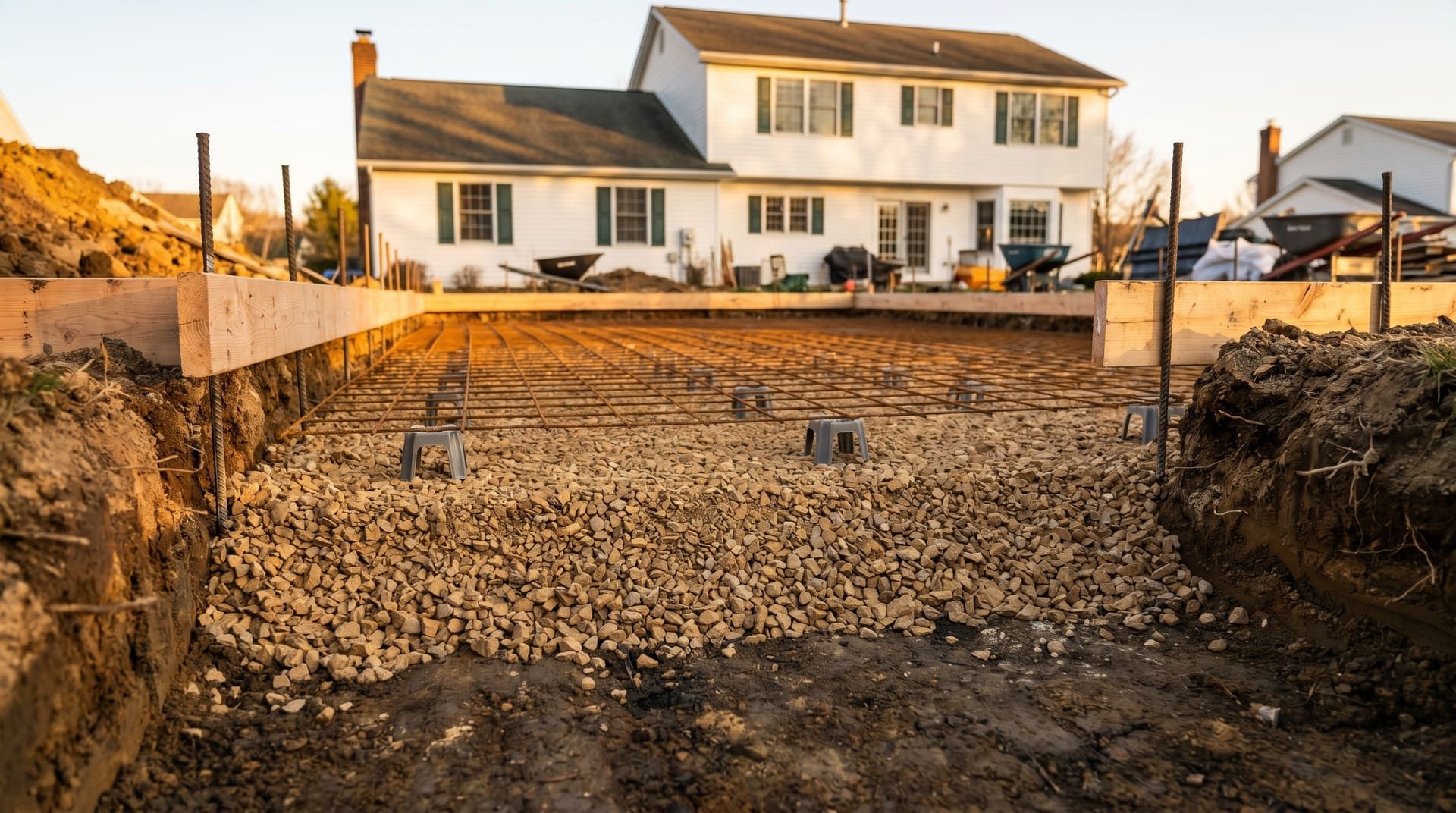 1 2 3 4 5 6
- 1
Compacted soil base
Excavated 10–12 in. — stable foundation for everything above
- 2
Compacted stone base
6–8 in.
Drains water, gives the slab a level bed
- 3
Vapor barrier
Blocks ground moisture from wicking into the slab
- 4
Reinforcement
Wire grid or fibers — keeps cracks tight
- 5
Concrete slab
4 in.
Freeze-resistant mix that won't flake
- 6
Crack-control cuts
Every 8–10 ft — controls where the slab cracks
"Most failed patios aren't a concrete problem. They're a what's-underneath-the-concrete problem."
[ Field Note / Patios ]
[ Finish Library / 4 Options ]
Pick the surface. Spec carries through to all of them.
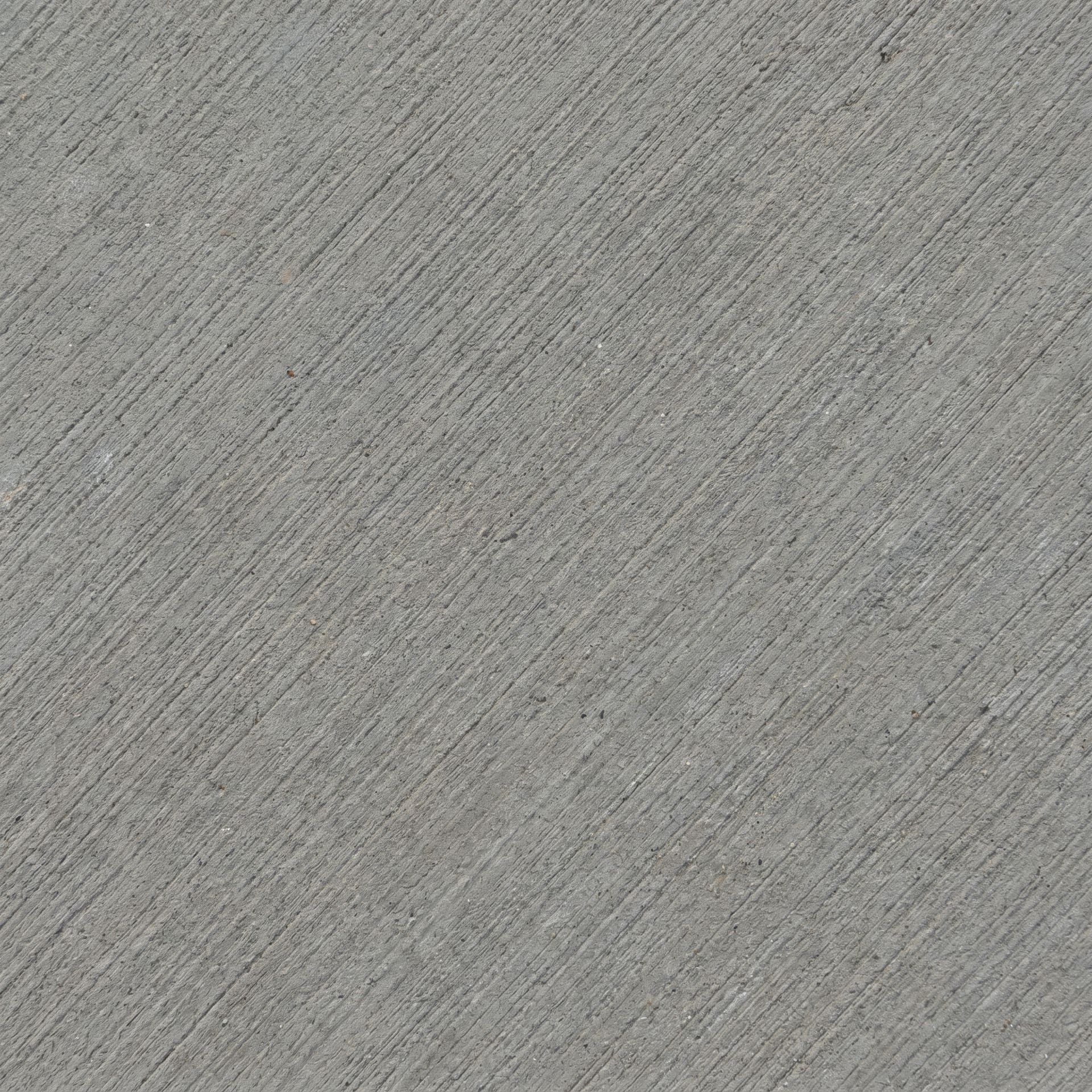 F.01
F.01Finish
Broom
Most durable / lowest maintenance
Standard for working patios
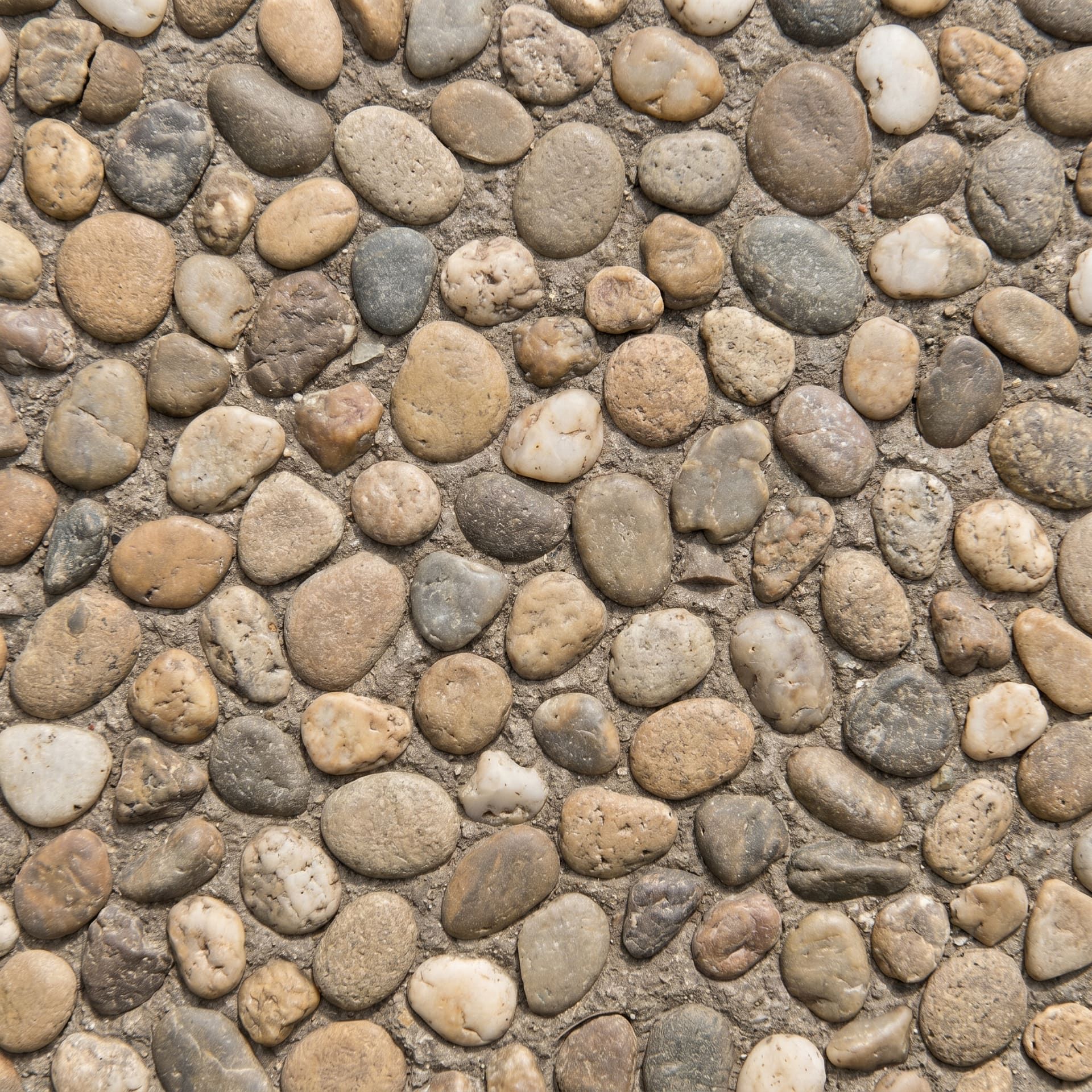 F.02
F.02Finish
Exposed Aggregate
Slip-resistant / hides wear
Pebble seed embedded then washed
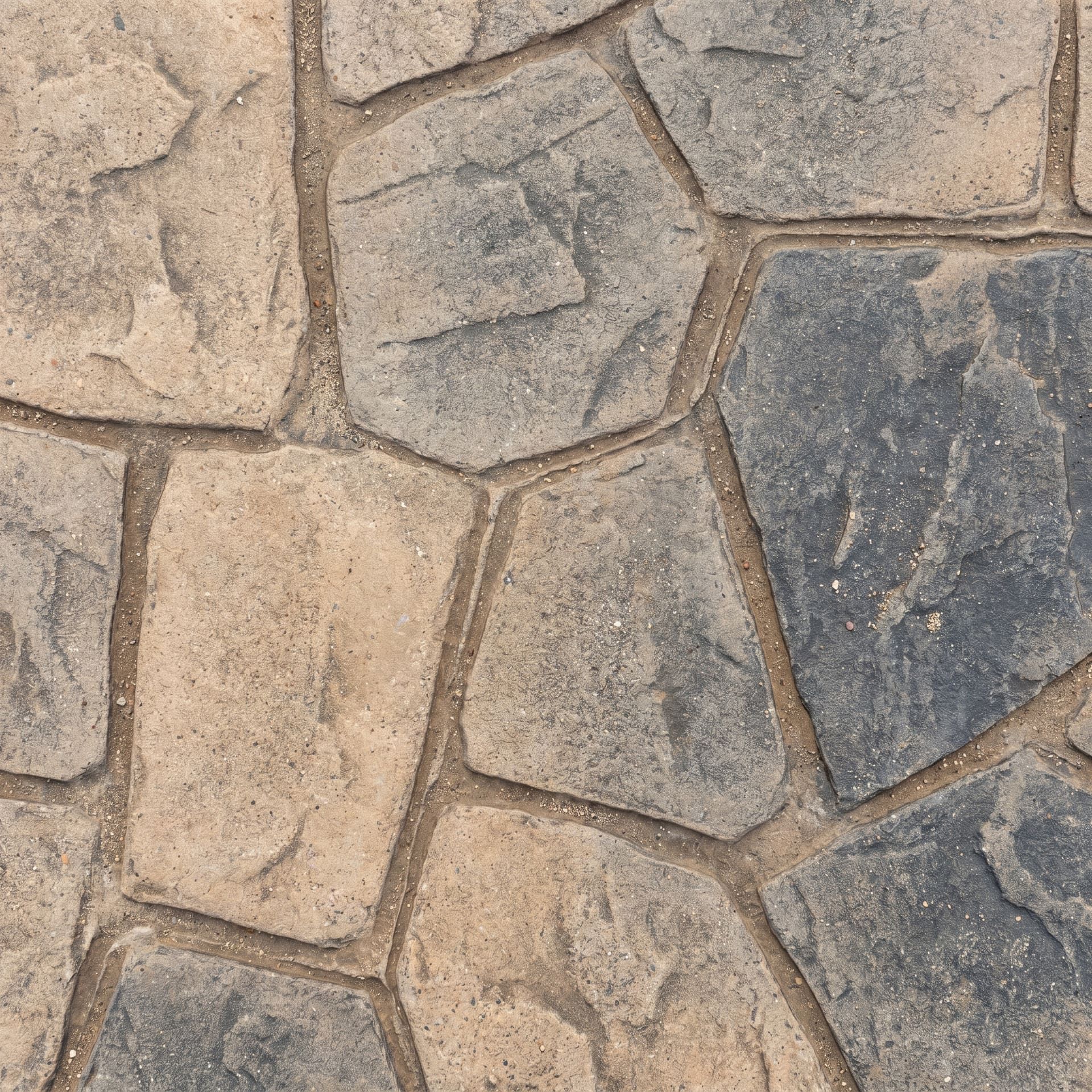 F.03
F.03Finish
Stamped
Durable when substrate is spec-correct
Patterned to mimic stone or brick
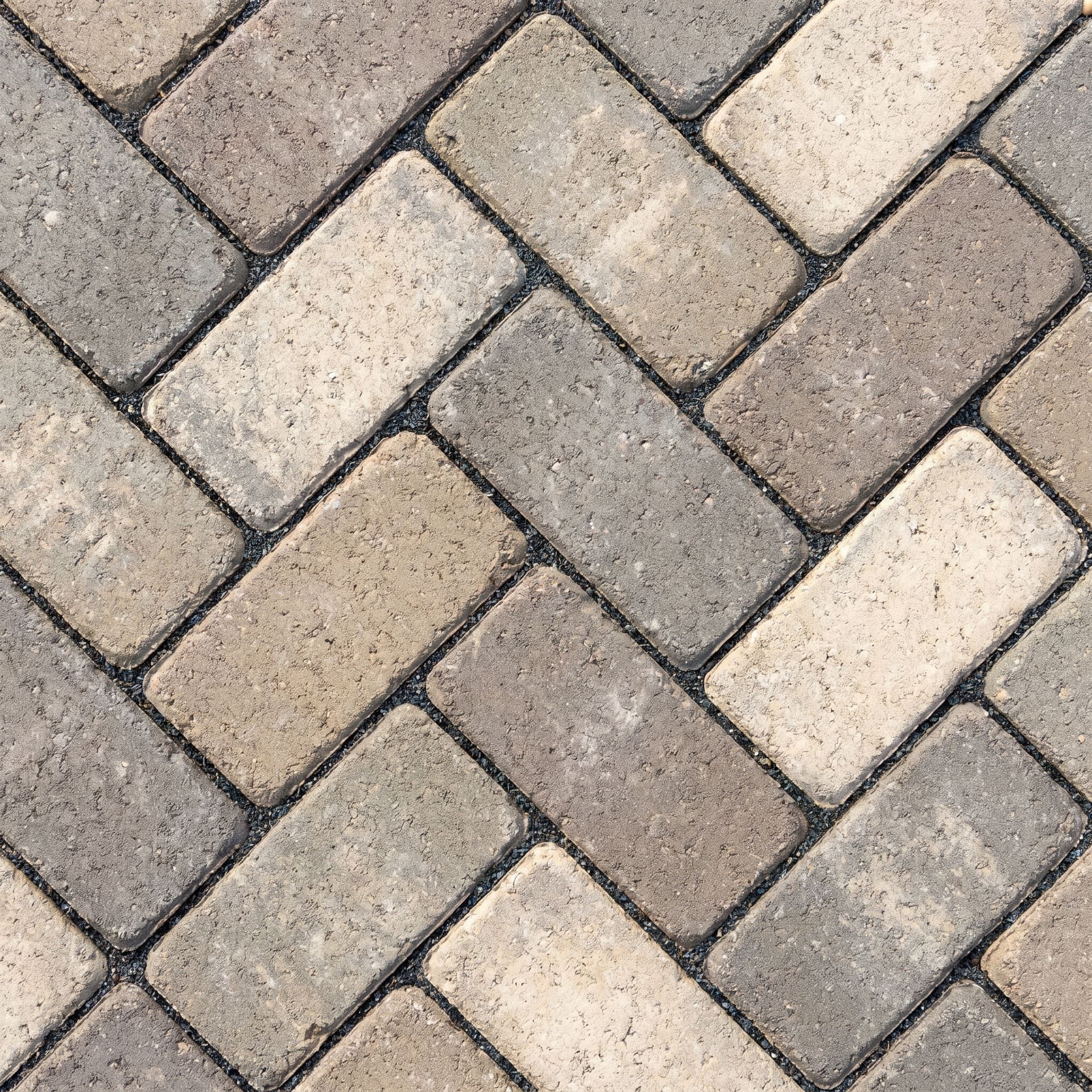 F.04
F.04Finish
Paver
Replaceable units / no slab cracking
Polymeric sand and plate compaction
[ Pricing / Per Square Foot ]
Investment range for concrete patios.
Broom-finish flatwork
$18 – $28 / sq ft
Stamped concrete
$22 – $35 / sq ft
Paver patio
$25 – $42 / sq ft
Every quote is line-itemed — base, concrete, forms, finish, and removal listed separately.
[ Specification Sheet ]
Build spec.
S.01
Stone base depth
6–8 in. of compacted stone — drains water, stable bed
S.02
Concrete thickness
4 in. — for foot traffic and patio furniture
S.03
Concrete mix
4,000 psi freeze-resistant mix — won't flake in winter
S.04
Crack-control lines
Every 8–10 ft — controls where it cracks
S.05
Steel reinforcement
Wire grid or fibers — keeps cracks tight
S.06
Forms (the wood frame)
2× lumber, staked and leveled — sets slab edges
S.07
Drainage slope
1/8 in. per ft, sloped away from the house
S.08
Curing time
Walk on it in 24–48 hrs; full strength at 28 days
[ Frequently Asked ]
Common questions about concrete patios.
Q.01
How long does a concrete patio last in Pennsylvania winters?
A patio built right — winter-rated concrete on a deep packed-stone base, with planned crack-control lines cut on time — should last 30 to 40 years in Pennsylvania with very little maintenance. The mix matters: winter-rated concrete is made with tiny air pockets inside the paste that give water somewhere to go when it freezes, so the surface doesn't flake or crack from inside. Patios that fail in five to ten years were almost always poured in plain (non-winter-rated) concrete, or on too thin a base.
Q.02
Do I need a permit for a concrete patio in Montgomery County?
It depends on the township. In Upper Merion (King of Prussia), new concrete patios require a building permit. In Lower Merion, a Minor Grading Permit is required if the patio adds 1,000 sq ft or more of new hard surface. Bridgeport Borough, Norristown, and Conshohocken Borough also require permits for patios that involve digging. NextGen Masonry handles permit research and filing for every project — we confirm requirements with the local building department before the estimate is finalized.
Q.03
What is the difference between stamped concrete and pavers?
Stamped concrete is poured-in-place concrete with a texture and color pattern pressed into the surface before it fully cures. It creates a single seamless slab that mimics the look of pavers or stone. Actual pavers are individual stones set in sand or mortar over a compacted stone base. Pavers let you swap a single unit if a section heaves or cracks; stamped concrete gives you a seamless look and usually a lower installed cost per square foot. Both are durable when properly installed — the difference in how long they last comes from the base prep underneath, not the surface material.
Q.04
Can a concrete patio be poured against an existing house foundation?
Yes, but an isolation joint — a compressible foam backer rod and sealant, not a plain cold joint — must be placed between the slab and the foundation wall. This allows the patio slab to move independently from the foundation as soils shift seasonally. If a patio is poured tight against a foundation without an isolation joint, the slab will eventually crack or push against the foundation wall as it moves. NextGen Masonry includes isolation joints at all structure interfaces on every patio project.
Q.05
How soon can I use the patio after it is poured?
Foot traffic is safe 24–48 hours after the pour under normal temperatures. Furniture can go on at 7 days. Full strength (4,000 psi) is reached at 28 days. Don't drive or park on a patio slab — it's built for foot traffic, not the weight of a parked car. Cure time can be longer in cold weather: below 50°F, concrete gains strength more slowly, and the crew may use insulating blankets and heated enclosures to keep the slab warm enough to cure.
[ Coverage / Lower Montco ]